How Long Can a Solar Generator Power Essential Devices?

A solar generator may power important electronics during blackouts, off-grid excursions, or crises, but its duration is determined by various factors. Whether you’re powering a smartphone, refrigerator, or CPAP machine, the runtime depends on the generator’s capacity and the device’s energy requirement. Many people believe that solar energy provides limitless electricity; however, this is not necessarily the case. You need to know how long your generator will survive in real-world situations. This article outlines the elements that influence solar generator duration, provides device-specific examples, and offers practical advice for maximizing usage, allowing you to prepare confidently for power outages or off-grid life.
What Affects How Long a Solar Generator Can Power Devices?
Battery Capacity, Watt-Hours, and Usable Power
The basis of every solar generator is its battery, which is measured in watt-hours (Wh) and indicates how much energy it can store. For example, a 1,000Wh generator may potentially produce 1,000 watts for one hour or 100 watts for ten hours. Unfortunately, not all stored energy is usable. Some power is wasted owing to inverter efficiency or battery management systems; therefore, the actual usable power is between 85 and 90% of the overall capacity. Understanding this allows you to more properly match generator size to your energy demands while avoiding overestimating duration based only on inflated watt-hour ratings.
Device Wattage and Real-World Energy Consumption
The runtime is also determined by the wattage of each gadget that you power. A smartphone charger consumes around 5 watts, a laptop requires 50-100 watts, and a full-size refrigerator can consume 150-200 watts continually. Even if a gadget has a specified wattage, actual usage may differ. Some equipment, such as refrigerators or CPAP machines, cycle on and off, affecting average energy use. Others, such as televisions or gaming consoles, may have power spikes that exceed their rated capacity when starting. Accurate runtime estimates require knowledge of the continuous and peak power requirements of the devices connected to your generator.
Solar Input, Sunlight Conditions, and Recharging Speed
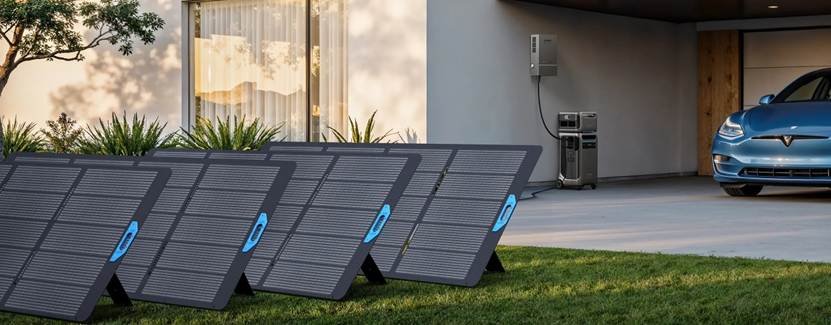
Solar generators may recharge during daytime hours, although the rate depends on panel wattage, sunshine availability, and system efficiency. A 200W solar panel in direct sunlight may potentially replenish 1,000 watt-hours in 5-6 hours. Real-world factors, such as cloud cover, shade, panel angle, and temperature, might limit input. Furthermore, some generators restrict input speed to safeguard internal batteries, so a high-watt panel does not necessarily result in quicker charging. The slower the recharge, the more you rely on stored power, limiting how long gadgets can operate constantly. For optimal performance, proper panel positioning is required, as are realistic solar production expectations.
See also: technical evaluation of numbers
How Long Can a Solar Generator Run Common Essential Devices?
Powering Phones, Laptops, and Small Electronics
Small gadgets are among the easiest loads for solar generators. Charging a smartphone consumes about 10-15 watt-hours; thus, a 1,000Wh generator could recharge it 60-80 times before exhaustion. Laptops vary in their wattage consumption each charge, so expect 10-20 full recharges. Headlamps, radios, tablets, and e-readers use even less power, making them perfect for extended off-grid use. You can also keep many gadgets charged at the same time, with minimal effect. These low-power electronics enable the effective use of solar energy, particularly when combined with planned charging during peak sunshine hours to maintain battery reserves for nocturnal use.
Running Refrigerators, Medical Devices, and Wi-Fi Routers
Mid-sized vital gadgets require more power and preparation. Depending on the compressor cycles, a contemporary energy-efficient refrigerator may run for 24 hours on 1,200Wh. CPAP devices generally consume 30-60 watts per hour, providing 15-30 hours of operation from a 1,000Wh generator without a humidifier. Wi-Fi routers require around 10 watts and may operate for many days on a single charge. Prioritize and utilize these vital items efficiently, such as temporarily shutting off a fridge during cooler evenings or utilizing a CPAP with DC power to decrease energy loss. Understanding these duration predictions helps to ensure health, food safety, and communication during outages.
Using Solar Generators for Lights, Fans, and Small Appliances
Lighting and small appliances are popular solar loads with varying power requirements. LED lights consume 5-15 watts apiece and provide dozens of hours of operation. Depending on the speed, a 40-watt fan may run for more than 20 hours on a 1,000Wh generator. Microwaves, toasters, and kettles consume 800-1,500 watts but are only used momentarily, so even short-term use is achievable with appropriate load planning. Avoid using numerous high-wattage gadgets at once. Instead, rotate usage and schedule tasks—like cooking—during sunlight hours to extend runtime. Smart scheduling turns limited energy into a reliable daily function without overloading your solar generator.
How Can You Maximize Solar Generator Runtime at Home?
Reducing Energy Use During Power Outages
Energy conservation is critical during power outages. Unplug non-essential devices such as game consoles, televisions, and decorative lights. Prioritize life-sustaining gadgets (CPAPs, refrigerators, phones, and lights) and keep them running at low power. Reduce the frequency with which you open your refrigerator, use low-power lights, and avoid using high-heat equipment until absolutely required. When available, choose DC-powered gadgets, as they use less energy than their AC equivalents. Turn off gadgets while not in use, and condense usage during solar charging times. These little adjustments considerably cut total energy usage and extend your generator’s stored power for more hours or days, providing better comfort and safety during crises.
Choosing the Right Generator Size for Your Needs
Not all solar generators are made equal. Choosing the appropriate size begins with assessing the wattage and daily runtime of your essential gadgets. Add up the total watt-hours required each day and include at least 20% overhead for losses and emergencies. A 1,000-1,500Wh battery may be sufficient for basic necessities like lighting, phones, and a small refrigerator. A 2,000-3,000Wh system is appropriate for bigger loads such as microwaves or medical equipment. If solar recharging is slow, consider using a bigger battery to increase off-grid autonomy. Matching capacity with realistic consumption provides peace of mind when the grid goes down.
Smart Charging Habits and Load Management Tips
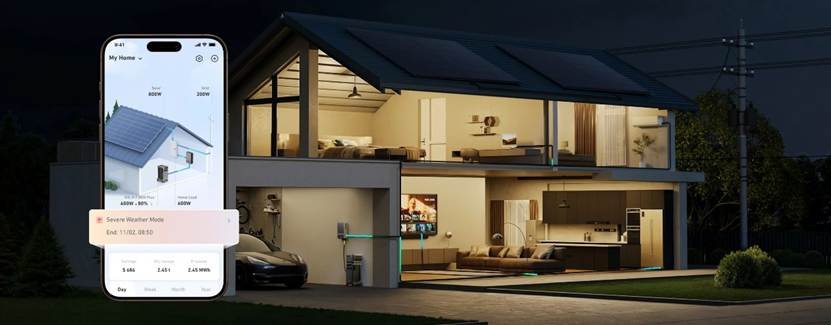
Manage your loads like a master by tracking energy use and battery levels throughout the day. Charge devices during peak sunshine hours and avoid charging the battery below 20% to ensure lifespan. Use energy monitors or built-in screens to track usage in real time. To avoid overloading the inverter, do not operate numerous high-wattage gadgets at the same time; stagger their use. Charge power banks or additional batteries throughout the day for usage at night. Consider using programmable timers or smart plugs to turn off non-essential devices automatically. These wise behaviors increase generator runtime and assure consistent performance during long-term outages or off-grid use.
Conclusion
The ability of a solar generator to power vital equipment is determined by more than just the battery size. Real-world performance is determined by energy consumption, charging circumstances, and smart management. Phones, lights, and routers can function for days, but bigger items such as refrigerators or CPAPs require more power and care. By assessing your real demands, selecting the correct equipment, and practicing energy conservation, you may make limited solar power go further than imagined. Understanding your generator’s capabilities and limits is critical, whether you’re prepared for a blackout or living off the grid. Plan well, utilize intelligently, and you’ll have reliable electricity when it counts the most.