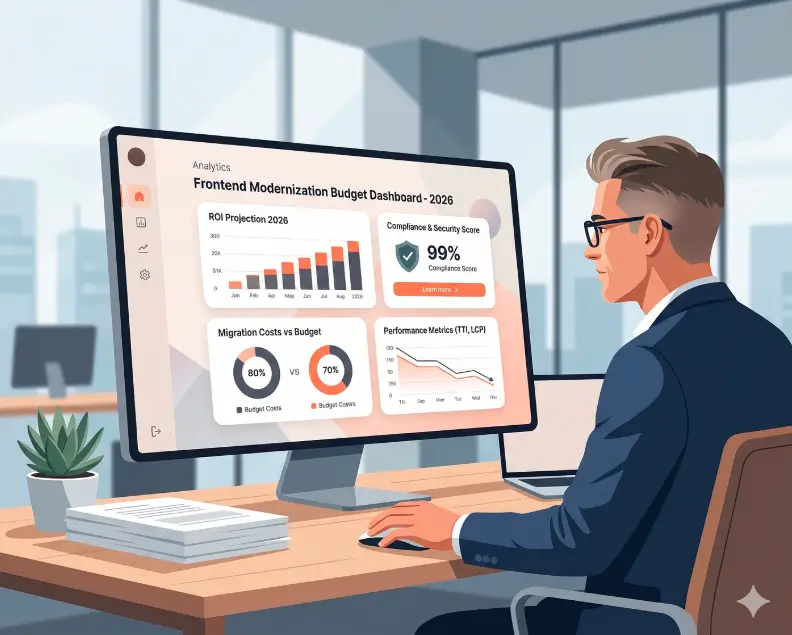
Maximizing ROI: Your 2026 Guide to IT Budgets in Charlotte

As a business leader in 2026, you face immense pressure to stretch every dollar. Inflation and changing market demands require you to run lean operations without sacrificing performance. Technology costs often feel unpredictable and entirely out of your control. You want to maintain top-tier security and support company growth without draining your capital.
When planning your budget, remember that maximizing ROI isn’t about buying the flashiest tools on the market. Instead, it is about investing in solutions tailored exactly to your specific operational needs. A generic technology strategy often leads to overpaying for software you never use. True financial efficiency requires a customized approach.
Partnering with a local expert for comprehensive infrastructure oversight and strategic planning can help you identify these exact needs. This strategic alignment ensures you get an enterprise-level strategy without overspending on unnecessary hardware. You gain the guidance needed to make informed purchasing decisions.
This guide will show you how to take control of your technology expenses this year. We will cover how to identify hidden budget wasters hiding in your network. You will also learn the financial benefits of shifting to the cloud and how proactive management generates a measurable return on your investment.
Key Takeaways
- Unplanned downtime and legacy “break-fix” models are the leading causes of IT budget bloat in 2026.
- Migrating from physical servers to cloud environments shifts unpredictable capital expenditures (CapEx) to manageable operational expenditures (OpEx).
- Aligning tech investments with actual business needs prevents overspending on unnecessary luxury software.
- Outsourcing to a Managed Service Provider (MSP) stabilizes costs and provides predictable, scalable IT budgets.
Identifying the Biggest IT Budget Wasters in 2026
Many companies unknowingly leak money through hidden technology traps. One of the most common financial mistakes is maintaining redundant software licenses. Your team might be using three different project management tools when one comprehensive platform would do the job. This duplication quietly drains funds every single month.
Supporting outdated hardware is another massive financial burden. Aging servers require constant patching, expensive replacement parts, and excessive energy consumption to stay cool. You are effectively paying a premium just to keep slow, inefficient technology running.
To fix this, you must calculate the true return on investment of your current infrastructure. You do this by measuring the total cost of ownership against actual employee usage and productivity output. If an application costs ten thousand dollars a year but only two employees log in, your ROI is completely negative.
You also need to account for the hidden cost of employee frustration. When staff members wait ten minutes for an old computer to boot up, you are paying for lost productivity. Conducting a thorough technology audit reveals these gaps quickly.
Once you identify the bloat, you can reallocate those wasted funds toward tools that actively generate revenue. Moving away from outdated physical setups creates immediate financial relief. Look at the comparison below to see how hidden costs accumulate over time.
| Infrastructure Type | Cost Predictability | Maintenance Needs | Security Risks | Scalability |
| Legacy Systems | Highly unpredictable | Constant emergency repairs | High risk of costly breaches | Expensive and slow |
| Modern Cloud IT | Predictable flat rates | Routine automated updates | Proactive enterprise protection | Instant and cost-effective |
The High Cost of the “Break-Fix” Trap
The traditional “break-fix” approach involves waiting for technology to fail before paying a technician to repair it. This reactive model is a guaranteed way to derail your quarterly budgets. You cannot predict when a hard drive will crash or a network switch will fail, making it virtually impossible to forecast your technology expenses.
The Financial Reality of Downtime
When critical systems go down, the financial damage extends far beyond the hourly rate of the repair technician. Your employees cannot work, customer service stops entirely, and sales opportunities vanish. This sudden halt in operations destroys your daily revenue goals. The global data paints a clear and alarming picture: unplanned IT downtime costs businesses an average of $14,056 per minute.
Building a Resilient Infrastructure
Moving away from reactive repairs is the first step toward true financial stability. To escape the cycle of constant fires, many local businesses are turning to professional IT services in Charlotte to implement a more proactive approach.
By utilizing a dedicated technology roadmap and prioritizing business continuity, you can identify vulnerabilities before they lead to a system-wide collapse. This strategy ensures your network is constantly monitored and maintained, allowing your team to focus on growth while your IT infrastructure remains stable, secure, and predictable.
Shifting from CapEx to OpEx: The Financial Case for Cloud Migration
Maintaining physical servers inside your office requires a massive upfront investment. You have to purchase the expensive hardware, pay for commercial cooling, and secure the physical room. These are known as capital expenditures (CapEx), and they create massive, painful spikes in your annual budget.
Furthermore, physical hardware depreciates the moment you install it. Every three to five years, you are forced to go through a costly hardware refresh cycle. You have to buy new equipment all over again just to maintain basic performance levels.
Cloud computing completely changes this broken financial model. By migrating your data and applications to the cloud, you shift those unpredictable costs into operational expenditures (OpEx). You pay a predictable, flat monthly subscription fee for the exact computing power you actually use.
This financial flexibility is driving massive adoption worldwide. In fact, Gartner forecasts that worldwide public cloud spending will reach over $900 billion in 2026. Business leaders realize that owning physical servers is no longer a sound financial strategy.
The return on investment for this shift is substantial and immediate. McKinsey & Company reports that accelerating cloud migration can reduce overall IT infrastructure costs by 25–45%. You can then take that saved capital and directly reinvest it into hiring, marketing, or product development.
Ultimately, cloud infrastructure enables Charlotte businesses to scale operations securely and seamlessly. If you need to add twenty new employees next month, you simply adjust your subscription tier. You no longer have to wait weeks for expensive physical servers to arrive.
See also: How Technology Is Reshaping Everyday Habits
Right-Sizing Your Tech: Essential Investments vs. Costly Luxuries
Business technology moves incredibly fast, making it easy to fall for clever marketing. It is tempting to get caught up in the hype and purchase software you do not actually need. In 2026, smart budgeting requires you to strictly distinguish between essential tools and costly luxuries.
Every dollar you spend on IT must align directly with your specific business growth goals. If a new artificial intelligence tool does not improve efficiency, secure your data, or increase sales, it is a luxury. Do not buy technology simply because your competitors are talking about it.
As experts in the Charlotte technology sector often advise:
“You don’t need the most advanced and expensive tech on the market to succeed, but you do need up-to-date IT that’s built around your needs and managed by experts.”
To optimize your budget, you need a strict framework for auditing your current software stack. Start by listing every software subscription, cloud storage plan, and hardware lease your company currently pays for. Next, survey your department heads to determine which tools their teams actually use on a daily basis.
You will likely find that several departments are paying for different tools that perform the same function. Identify these overlapping applications and cancel the redundant subscriptions. This straightforward process eliminates technology bloat and instantly frees up cash flow.
Cost-Effective Cybersecurity and Data Protection
Many business leaders view cybersecurity as a burdensome expense rather than a strategic investment. They try to save money by purchasing cheap, fragmented antivirus software and hoping for the best. This is a dangerous financial gamble that rarely pays off.
A single data breach costs vastly more than proactive, enterprise-level threat protection. Hackers can shut down your operations, demand massive ransoms, and permanently damage your reputation with clients. The legal fines and lost revenue from one incident can easily bankrupt a growing company.
The most cost-effective way to protect your business is through bundled, cloud-managed security services. These comprehensive packages offer better data backup and disaster recovery at a fraction of the cost of piecing together individual software solutions. You get military-grade protection without the headache of managing a dozen different vendor contracts.
Why Predictable Costs Start with Proactive IT Management
Managing technology in-house is surprisingly expensive for mid-sized organizations. You have to cover high salaries, continuous training, benefits, and expensive software licenses for your internal IT staff. Outsourcing to a Managed Service Provider (MSP) offers a distinct financial advantage.
Proactive managed IT relies on flat-rate, predictable budgeting. You pay a set monthly fee to have a dedicated team of experts manage and secure your entire network. This is a stark contrast to the chaotic, unpredictable expenses of emergency IT repairs.
Managed service providers use advanced software to conduct routine, 24/7 monitoring of your systems. They identify failing hard drives, network bottlenecks, and outdated software before they cause a catastrophic system crash. This continuous oversight prevents budget-busting emergencies before they happen.
Furthermore, a reputable MSP provides access to a Virtual Chief Information Officer (vCIO). This executive-level consultant helps you map out your long-term technology strategy and budget. They ensure your IT investments support your business objectives for the next three to five years.
An MSP acts as a seamless extension of your own workforce. This close relationship allows them to optimize your technology budgets continuously throughout the year. You gain the expertise of an entire corporate IT department for a fraction of the cost.
Conclusion
Smart 2026 IT budgets rely on right-sizing your technology and shifting away from reactive support models. Maximizing your return on investment is about strategic planning and intentional spending. You must stop wasting capital on redundant software and outdated physical hardware.
Moving your infrastructure to the cloud allows you to trade expensive capital investments for predictable operating costs. Eliminating the “break-fix” cycle protects you from the devastating financial impact of unplanned downtime. Partnering with dedicated experts is the ultimate key to achieving long-term financial stability.
Your technology should be a powerful asset that helps you stay ahead of the competition in Charlotte. Do not let mismanaged spending and aging systems hold your business back. By auditing your current setup and embracing proactive management, you can build a streamlined budget that drives real growth.