Ranch and Home Maintenance: A Seasonal Guide for Rural Property Owners

Owning a ranch and home in a rural setting comes with a maintenance calendar unlike anything found in suburban life. Each season brings its own set of demands — from preparing for winter storms to refreshing pastures in spring. Staying ahead of maintenance tasks is what separates a thriving rural property from one that is always playing catch-up.
Why Seasonal Maintenance Matters on a Ranch
A ranch and home operates as a living system. Neglect in one area quickly creates problems in another. A damaged water line can affect livestock hydration. A deteriorating fence line can lead to escaped animals or predator intrusions. Deferred roof maintenance can mean costly interior water damage. For rural homeowners, proactive seasonal care is not just about aesthetics — it is about protecting your investment and ensuring the safety of both your family and your animals.
Spring: Repair, Refresh, and Prepare
Spring is the most active maintenance season for ranch and home owners. After winter, it is time to assess the full scope of any damage and begin repairs before the busiest working months of the year arrive.
Start by walking your entire fence line. Winter weather, frost heaving, and animal pressure can loosen posts, snap wires, or compromise gate latches. Repair everything before spring grazing begins. Next, inspect all water systems — troughs, lines, and hydrants — for cracks caused by freezing temperatures.
Around the home, clean gutters and downspouts, inspect the roof for missing or damaged materials, and check that your foundation drainage is directing water away from the structure. This is also the season to service your lawn and garden equipment before peak use.
Summer: Monitor, Manage, and Protect
Summer maintenance on a ranch and home property focuses on keeping systems running in heat and managing the effects of dry conditions. Water availability becomes critical — both for your household and your livestock.
Check all water troughs, automatic waterers, and irrigation systems regularly. Heat can stress animals quickly, and ensuring constant, clean water access is a top priority. Inspect shaded areas in pastures and consider adding shade structures if heat-related stress is a recurring issue.
For the home, summer is the time to service air conditioning systems, seal any exterior gaps that could allow insects or pests inside, and check that window and door screens are intact. Pest management around the ranch — particularly flies, rodents, and insects — helps protect both animal health and household comfort.
Fall: Winterize, Stock Up, and Secure
Fall is the preparation season. Smart ranch and home owners use the milder fall weather to get everything in order before cold sets in. Drain and insulate exposed water lines, service heating systems, and stock up on hay, feed, and supplies before winter weather makes deliveries or travel difficult.
Inspect barn roofs, doors, and ventilation to ensure livestock will have adequate shelter. Weatherstrip doors and windows on the main residence, and test smoke and carbon monoxide detectors throughout the home.
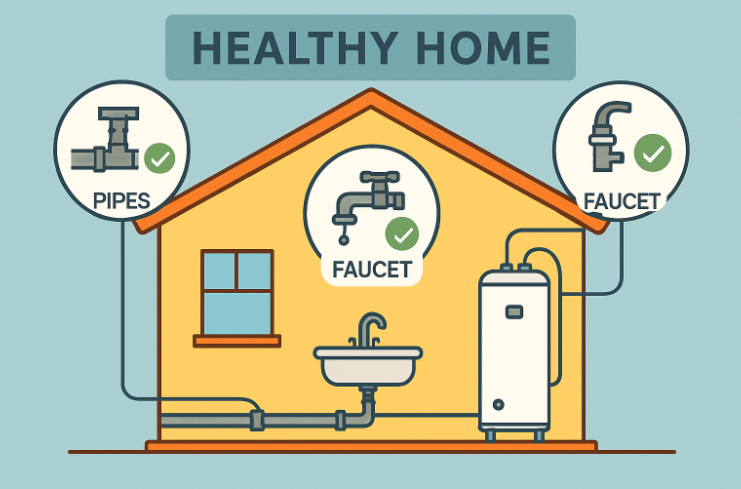
See also: How Regular Plumbing Maintenance Can Prevent Major Home Disasters
Winter: Monitor, Respond, and Conserve
Winter maintenance is largely reactive but can be managed well with the right preparations in place. Keep pathways and driveways clear for emergency access. Check on livestock more frequently during extreme cold and ensure water sources are not frozen over.
Inside the home, monitor pipes in unheated spaces and keep cabinet doors open under sinks during freezing nights to improve airflow. If you rely on a well, be aware of the risk of pump house freezing and take preventative measures early.
Building a Maintenance Schedule That Works
The most effective approach for rural homeowners is to build a written maintenance schedule and stick to it. Categorize tasks by season, assign realistic timeframes, and budget accordingly. Many ranch and home expenses are predictable — fencing materials, HVAC service, roofing inspection — and planning for them reduces financial stress.
Staying on top of ranch and home maintenance is one of the most important investments you can make in your property. A well-maintained rural homestead holds its value, functions efficiently, and gives you the peace of mind to focus on the parts of this lifestyle you love most.