Technologies Driving the Next Generation of Electric Vehicles

The automotive industry is undergoing a monumental shift, with electric vehicles at the forefront of this transformation. Modern EVs are redefining mobility through a convergence of advanced technologies. This evolution is driven by a global push for sustainability, stricter emission regulations, and consumer demand for efficient, connected vehicles. Let us explore these innovations.
Advancements in Battery Technology
Solid-State Batteries: The Next Frontier
Current lithium-ion cells face physical limitations regarding how much energy they can safely store. Solid-state technology replaces highly flammable liquid electrolytes with stable solid conductive materials. This fundamental shift drastically reduces fire risks and significantly improves energy storage capacity. Engineers are actively testing these advanced power sources for widespread commercialization, aiming to overcome current manufacturing hurdles. Once perfected, solid-state designs will revolutionize the industry by offering lighter, safer, and incredibly dense energy storage options for all classes of transport.
Enhanced Energy Density and Range
Increasing the energy density allows cars to travel further on a single charge without adding physical bulk or weight to the chassis. Researchers continually manipulate cathode and anode materials, utilizing silicon and advanced nanomaterials to pack more power into smaller footprints. Drivers gain the freedom to undertake long road trips without experiencing constant range anxiety. High-density battery packs also free up interior cabin space, allowing designers to create roomier, more comfortable passenger compartments.
Faster Charging Capabilities and Longevity
Waiting hours for a recharge frustrates consumers who are accustomed to quick refueling stops at traditional gas stations. Groundbreaking innovations like magnetic core pulse charging enable batteries to absorb electrical power rapidly without causing severe thermal degradation. These methods preserve battery health over thousands of charge cycles, ensuring the vehicle remains reliable for decades. By mitigating the physical stress placed on internal chemical structures during rapid energy transfers, automakers can guarantee longer warranties and better long-term reliability.
Revolutionizing Electric Vehicle Charging Infrastructure
Ultra-Fast Charging Networks
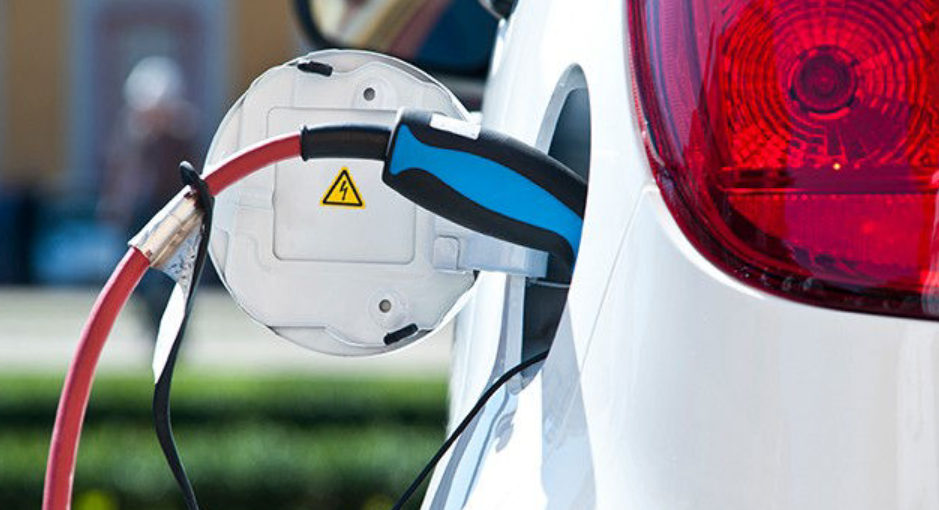
High-voltage charging stations deploy massive amounts of direct current to replenish depleted batteries in a matter of minutes. Highway corridors worldwide are undergoing extensive infrastructure upgrades to accommodate these heavy-duty charging pedestals. Rapid replenishment makes cross-country travel practical, convenient, and highly efficient for everyday drivers. The continuous expansion of these robust networks eliminates one of the most significant barriers to widespread electric vehicle adoption.
Wireless Charging Solutions
Inductive charging removes the need for drivers to wrestle with heavy, cumbersome physical cables in inclement weather. Conductive pads installed in residential driveways or public parking spaces transfer energy via magnetic fields to a receiver beneath the car. This seamless, touchless process simplifies daily operations for vehicle owners. Municipalities are even exploring dynamic wireless charging, which would allow vehicles to passively regain energy while actively driving over specially equipped road surfaces.
Vehicle-to-Grid (V2G) Technology
Bidirectional charging systems transform passenger cars into massive, mobile energy storage units for the community. During peak grid demand, vehicles can automatically supply excess stored power back to the local electrical utility. Owners can effectively offset their household electricity costs while helping to stabilize the broader community’s energy network. This symbiotic relationship between transportation and infrastructure creates a highly resilient, decentralized power grid powered entirely by renewable energy.
Intelligent Powertrains and Motor Innovations
High-Efficiency Electric Motors
Permanent magnet synchronous motors and advanced induction motors are achieving incredible mechanical efficiency levels previously thought impossible. Engineers optimize internal coil windings and magnetic structures to convert electrical energy into physical rotational force with virtually zero energy loss. This precision engineering translates directly to blistering acceleration and significantly longer driving ranges. Furthermore, these modern motors operate in near-total silence, drastically reducing noise pollution in busy urban environments.
Integrated Drivetrain Systems
Packaging the electric motor, power inverter, and single-speed transmission into a single compact unit reduces overall vehicle weight and frees up valuable space. Integrated systems minimize complex wiring harnesses and substantially lower manufacturing costs on the assembly line. The streamlined mechanical architecture improves overall vehicle dynamics, balance, and handling characteristics. By consolidating these critical components, automakers simplify maintenance procedures and increase the overall durability of the drivetrain.
Advanced Power Electronics
Silicon carbide inverters are rapidly replacing older, less efficient silicon-based electrical components within the powertrain. These advanced semiconductor materials handle much higher voltages and extreme operating temperatures with absolute ease. Superior thermal conductivity ensures the powertrain operates efficiently under heavy acceleration, steep inclines, or sustained highway speeds. Upgrading the power electronics allows the vehicle to process energy much faster, directly improving the responsiveness of the accelerator pedal.
Software-Defined Vehicles and Connectivity
Over-the-Air (OTA) Updates
Automobile manufacturers can continuously improve vehicle performance long after the initial point of purchase. Wireless software updates refine motor tuning, update navigation maps, and introduce entirely new infotainment features overnight. The car essentially evolves and improves throughout its operational lifespan, preventing technological obsolescence. Owners wake up to a superior driving experience without ever needing to schedule an inconvenient appointment at a physical dealership.
Advanced Driver-Assistance Systems (ADAS)
Sophisticated arrays of high-definition cameras, ultrasonic radar, and precision lidar sensors constantly monitor the surrounding physical environment. Powerful onboard computers analyze this massive stream of data to provide automated emergency braking, seamless lane-keeping assistance, and adaptive cruise control. These intelligent systems drastically reduce the likelihood of human error and vehicular collisions. As these algorithms mature, they lay the critical foundational groundwork for fully autonomous driving capabilities.
Integrated Infotainment and User Experience
The modern dashboard serves as a highly centralized, digital command hub for the driver and passengers. Voice-activated controls, seamless mobile device integration, and highly intuitive touchscreens provide instant access to navigation, media, and detailed vehicle telemetry. High-resolution digital displays ensure vital driving information remains easily accessible at a quick glance. The user interface prioritizes clarity and responsiveness, ensuring the driver remains focused on the road while enjoying premium entertainment.
See also: Support Line 6505410424 Business Assistance
Lightweight Materials and Manufacturing Processes
Advanced Composites and Alloys
Heavy vehicles consume substantially more electrical energy to maintain momentum on the road. Automakers actively substitute traditional heavy steel with carbon fiber reinforced polymers, aerospace-grade aluminum alloys, and high-strength industrial plastics. Shedding this excess structural weight perfectly counteracts the heavy mass of the lithium-ion battery packs. The resulting weight reduction directly improves cornering handling, braking distances, and overall aerodynamic energy efficiency.
Modular Platform Designs
Skateboard chassis designs cleverly house the heavy batteries and electric motors in a flat, uniform base layer. This highly modular engineering approach allows manufacturers to build sedans, utility vehicles, and commercial trucks utilizing the same underlying architecture. Shared platforms drastically reduce engineering development times and lower overall factory production costs. Consumers benefit from a wider variety of vehicle body styles without sacrificing the proven reliability of a standardized electric foundation.
Sustainable Manufacturing Practices
Modern automotive factories are rapidly adopting renewable solar and wind energy sources to cleanly assemble these new vehicles. Closed-loop recycling systems ensure that scrap metal, industrial water, and defective battery cells are meticulously reprocessed rather than discarded into landfills. Building clean vehicles utilizing equally clean manufacturing methods closely aligns with global environmental sustainability goals. Automakers are actively auditing their entire supply chains to eliminate carbon emissions from the mining of raw materials to final assembly.
Thermal Management Systems for Optimal Performance
Battery Thermal Management
Extreme ambient temperatures severely degrade sensitive chemical cells over time. Sophisticated liquid cooling and heating circuits actively maintain the entire battery pack within a highly precise temperature window. Active thermal regulation maximizes charging speeds at the station and protects the internal chemistry from permanent damage during harsh freezing winters or scorching summers. Consistent temperature control is the absolute most critical factor in preserving the battery’s total capacity over a decade of heavy use.
Powertrain Cooling Strategies
High-performance electric motors and heavy-duty inverters generate substantial amounts of heat during continuous operation. Dedicated liquid cooling loops circulate specialized thermal fluids to quickly draw destructive heat energy away from critical internal components. Preventing mechanical overheating ensures highly consistent power delivery during spirited driving sessions or while towing heavy cargo trailers. Efficient cooling mechanisms protect the electric motors from catastrophic failure under extreme stress.
Cabin Climate Control Efficiency
Heating the passenger interior traditionally consumes vast amounts of electrical energy, drastically reducing the vehicle’s driving range. Modern heat pump systems efficiently capture ambient thermal energy from the outside air and internal drivetrain components, seamlessly redirecting it into the passenger compartment. This highly efficient thermodynamic approach preserves crucial battery range during cold-weather operations. Passengers enjoy a warm, comfortable cabin without nervously watching the battery percentage rapidly deplete.
Conclusion
The landscape of electric vehicles is continuously being reshaped by a relentless pursuit of innovation, pushing the boundaries of sustainable transportation. Groundbreaking battery chemistries, intelligent charging solutions, and efficient powertrains transform EVs into highly adaptable machines. Ongoing research will accelerate the transition to a fully electric future for everyone.