What Causes Strange Noises Inside Water Heaters in Brea?

Cold showers and loud banging sounds can quickly turn a quiet evening into a frustrating situation. Many homeowners ignore small noises at first, yet those sounds may point toward hidden wear inside the tank. Rumbling, popping, or screeching sounds rarely disappear without attention. Small issues may slowly grow into leaks, weak heating, or rising utility costs.
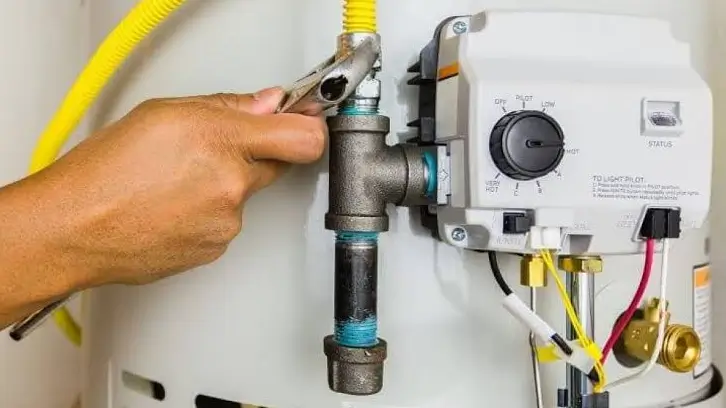
Unusual sounds inside a heater usually point toward hidden mechanical trouble that should not be ignored for long. Popping, rumbling, or screeching noises may signal pressure problems, loose parts, or sediment buildup inside the tank. Professional water heater repair in Brea helps identify these issues before they lead to leaks or complete system failure. This article explains the most common causes behind these strange sounds and the steps that help prevent further damage.
Sediment Build-Up Inside the Tank
Mineral deposits collect at the bottom of water heaters after years of regular use. Hard water leaves behind residue that slowly turns into a thick layer inside the tank. Heat pushes trapped water through this buildup, which creates rumbling or popping sounds during operation. Many homes in Brea deal with hard water conditions that increase sediment accumulation faster.
A thick sediment layer also forces the heater to work harder during each cycle. Extra strain may reduce heating efficiency and shorten equipment lifespan. Tank flushing helps remove buildup before major internal damage appears. Professional inspections may also help identify severe sediment problems early.
Loose Heating Components Create Vibrations
Loose internal parts may trigger rattling or vibrating sounds during normal use. Electric water heaters contain heating elements that may shift after years of heating cycles. Small screws and fittings sometimes loosen because of temperature changes inside the unit. Those loose parts create repeated noises while the water heats inside the tank.
Sharp vibration sounds may also travel through nearby pipes and walls. Homeowners sometimes mistake pipe movement for major tank failure. A technician can tighten damaged connections before larger mechanical issues appear. Quick repairs may prevent additional stress on the entire system.
Pressure Problems Inside the System
High pressure levels inside the tank may produce loud hissing or whistling sounds. Water heaters rely on balanced pressure to operate safely and efficiently. Faulty valves or blocked pressure lines may force steam and hot water through narrow openings. Those conditions create unusual sounds that should never remain ignored.
Pressure-related issues may also increase the risk of leaks around the tank. Excess force inside the system places strain on seals and pipe joints. Water heater repair in Brea becomes important when pressure concerns continue for long periods. Timely repairs help maintain safe performance and stable heating.
See also: Corporate Phone 5803804553 Business Help Desk
Expanding Pipes Cause Knocking Sounds
Metal pipes naturally expand after hot water flows through the plumbing system. That movement may create knocking or tapping sounds behind walls or near ceilings. Some homes experience stronger pipe movement because of tight installation spaces. Heat forces the pipes to push against nearby surfaces during expansion.
Loose mounting straps may increase the sound even further. Repeated pipe movement may also wear down nearby connections over time. Simple adjustments and pipe insulation may help reduce the noise significantly. Proper support around the plumbing system also improves long-term stability.
Strange sounds inside a water heater rarely appear without reason. Rumbling, screeching, rattling, or knocking noises usually point toward pressure issues, sediment buildup, loose components, or aging parts. Fast attention may help prevent leaks, rising utility bills, and complete equipment failure. Homeowners in Brea who notice unusual water heater sounds should consider professional inspections before small issues grow into costly repairs.