How an Individual Cellophane Overwrapping Machine Works, Step by Step

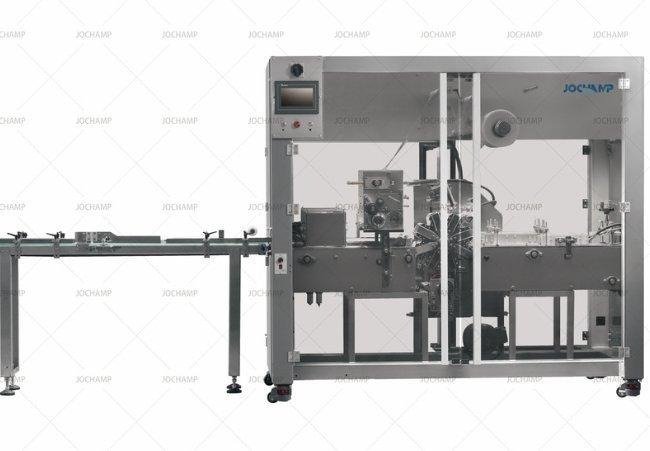
From the outside, an individual cellophane overwrapping machine looks like a compact box of folding plates, rollers and heated jaws. Inside, it repeats a careful sequence many times a minute, turning a flat sheet of film and a bare carton into a neatly sealed pack. Understanding each step helps you run the individual cellophane overwrapping machine well, spot problems early and get a tidy finish on every box.
The Journey of a Single Box
The process starts at the infeed, where the operator places one box at a time onto a small conveyor or into a pocket. The individual cellophane overwrapping machine takes the box forward at a steady pace and the rest of the sequence follows in order. Each fold happens at the same point on every cycle, which is why machine wrapping looks so much more uniform than wrapping by hand.
The box first meets the film. A roll of cellophane sits on the machine, and a measured length is drawn off and cut. The cut sheet is held in position, and the box is pushed into it so the film folds around the front, top and back. At this stage the wrap is loose, more like a sheet draped over the box than a finished pack, and the folding plates take over from there.
Film Feeding and Cutting
Film feeding is one of the most important parts of the process. The roll must unwind smoothly and the sheet must be cut to the right length for the box. Too short, and the film will not overlap enough to seal; too long, and the excess bunches up at the ends. Most individual cellophane overwrapping machines let the operator adjust the cut length, which is the main setting to change when you switch to a different box size.
Tension matters as well. If the film is pulled too tight, it can stretch and then relax after sealing, leaving a loose wrap. If it is too slack, the folds will wrinkle. A well-set individual cellophane overwrapping machine keeps the film firm but not strained, a balance the operator learns to judge by the finished pack.
Folding and Sealing the Ends
Once the film is around the box, the folding plates tuck the ends in, first on one side and then on the other, in the same way you would fold the ends of a wrapped gift. The plates move in a fixed sequence, so every box gets the same neat folds. This is the stage where a clean cut and correct film length really show, because a badly sized sheet leaves uneven folds that no amount of adjustment later can fix.
The folded ends are then sealed. Heated jaws press the overlapping film together briefly, just long enough to bond the layers without scorching them. Temperature and contact time both matter: too cool and the seal will peel open, too hot and the film can shrink or discolour. Operators usually test a few boxes when setting up and adjust the heat until the seal is strong and invisible.
Heat Sealing and the Final Finish
After the ends are sealed, the box passes a final smoothing stage. Rollers or belts press the wrap flat against the carton, removing air pockets and giving the pack its tight, glossy finish. Some machines add a tear strip, a thin ribbon laid under the film so the customer can open the pack with one clean pull, a small detail that makes the product easier to open.
The finished box drops onto the outfeed, where it can be stacked, boxed or sent on to labelling. A good operator checks the first few packs of each run closely: the film should be tight, the folds even and the seals flat. Once those look right, the machine will repeat them all day.
5 Stages at a Glance
- Infeed: a single box is placed on the conveyor or into a pocket.
- Film cut: a measured sheet of cellophane is drawn off the roll and cut.
- Wrapping: the box is pushed into the film, which folds around it.
- End folding and sealing: plates tuck the ends and heated jaws bond them.
- Finishing: rollers smooth the wrap and the sealed box reaches the outfeed.
Keeping the Line Running Smoothly
An individual cellophane overwrapping machine that is looked after will wrap neatly for years. The most useful daily habit is cleaning: wipe the folding plates and sealing jaws at the end of each run so film residue does not build up and spoil the next batch. Check the film roll before starting, and keep spare rolls close by so a changeover does not stop production.
Watch for the early signs of trouble. Wrinkled film often means the tension needs adjusting, while a seal that peels open usually points to a jaw that needs cleaning or a higher temperature. Loose wraps can come from stretched film, or from a box slightly smaller than the setting. Small adjustments, made one at a time, will usually put things right.
See also: How Technology Is Reshaping Everyday Habits
Frequently Asked Questions
How fast does an individual cellophane overwrapping machine work?
Small machines wrap a modest number of boxes per minute, which suits workshops and short runs. The exact rate depends on box size, film and operator, so check the rate at a realistic working pace rather than a maximum figure.
Why do the ends of my wrapped boxes look uneven?
Uneven ends usually come from a film sheet cut to the wrong length, or from folding plates that need cleaning or adjustment. Check the cut length first, then look for film residue on the plates.
Can the machine add a tear strip?
Many models can, either as a standard feature or as an optional extra. Ask the supplier before you buy if a tear strip matters for your product.
Final Thoughts
An individual cellophane overwrapping machine does a simple job with quiet precision: it takes a box, a sheet of film and a fixed sequence of folds, and turns them into a sealed, shelf-ready pack. The operator’s part is to set it up well, keep it clean and check the first packs of each run. Do that, and the individual cellophane overwrapping machine will do the rest.